-
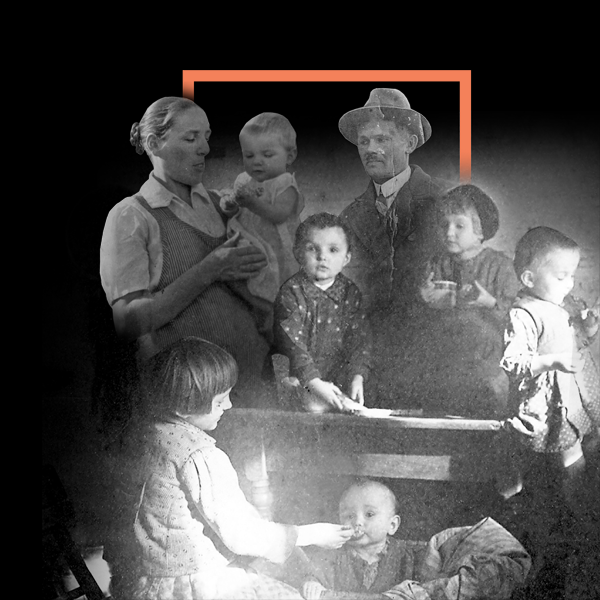
The History of Markowa
Today Markowa is a village and municipality in the Podkarpackie Voivodeship. As a village it was founded in the mid-14th century, during the reign of Casimir the Great, when German settlers were brought there. Polonisation of the language took place in the 16th and 17th centuries, and Polish national consciousness fully developed in the 19th century.
-
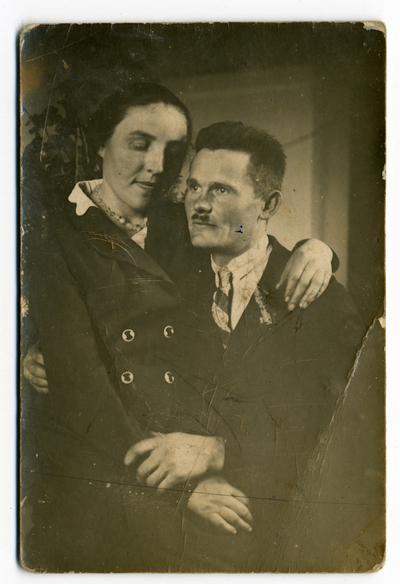
Blessed are the Righteous. Biography of Józef and Wiktoria Ulma and their family
Why did they decide to take such a heroic step, risking their own lives? It is difficult for a historian to answer this question because, understandably, they did not share their motivations. Some light is shed by passages from the Gospel parable of the Good Samaritan and the love of the neighbour, underlined in a copy of the Bible belonging to the Ulmas.
-
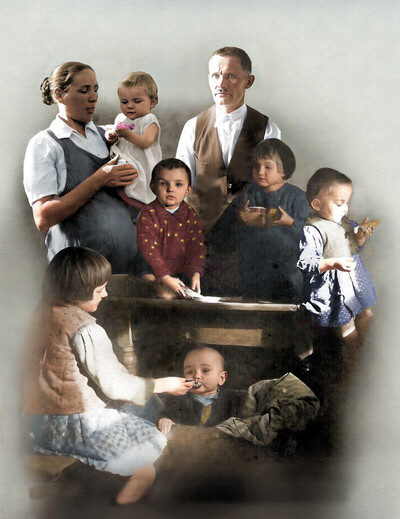
Martyrdom is Testimony - an article by IPN President Karol Nawrocki, Ph.D.
The German occupation and the monstrous design of the Holocaust was a clash with a ‘civilization of death’ for everyone in Poland, especially Jews. The plan was to wipe out an entire group of people and take control of the captured lands while dividing humanity into a dominant master race and completely dependent subhumans.
-
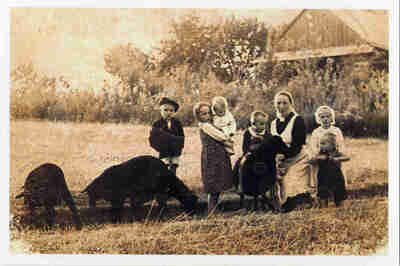
What makes the Ulma family special?
The Ulma family could become a symbol of international significance, just like Rotmistrz Witold Pilecki or Jan Karski. I sincerely hope that with time, the name ‘Ulma’ will appear not only in Polish but also in foreign history textbooks.
-
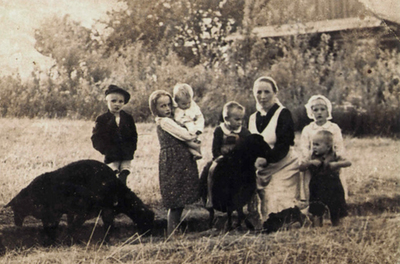
It was our national duty to establish this day
Mateusz Szpytma, Ph.D. on the Remembrance Day of Poles Rescuing Jews under German Occupation
-
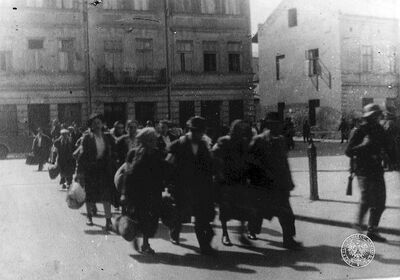
Operation Reinhardt in the countryside. The example of Markowa
The Holocaust was not a manifestation of the spontaneous actions of one or another national group. It was the result of the activity of a state - the German Reich - which made genocidal decisions and used all its power to murder the Jewish nation.
-
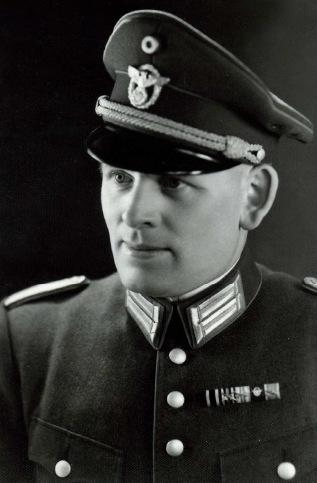
He even ordered the shooting of children. After the war… he became a law enforcement officer in Germany
Sixteen people - eight Poles and eight Jews - were killed one after the other simply because the Germans divided people into those “worth living and those not worth living”, and killed entire families for the help they provided to the excluded and persecuted.